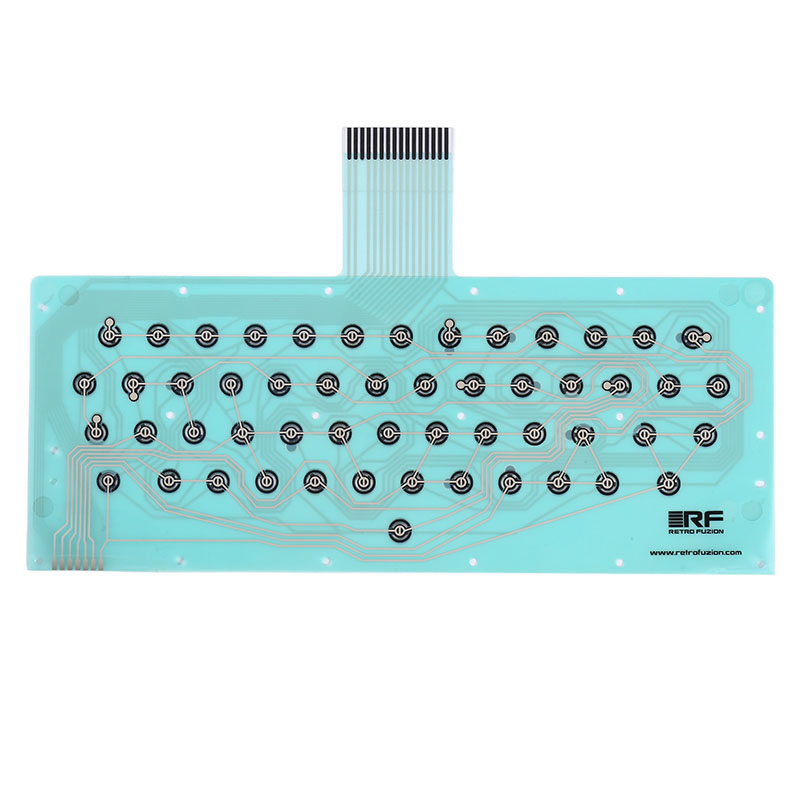
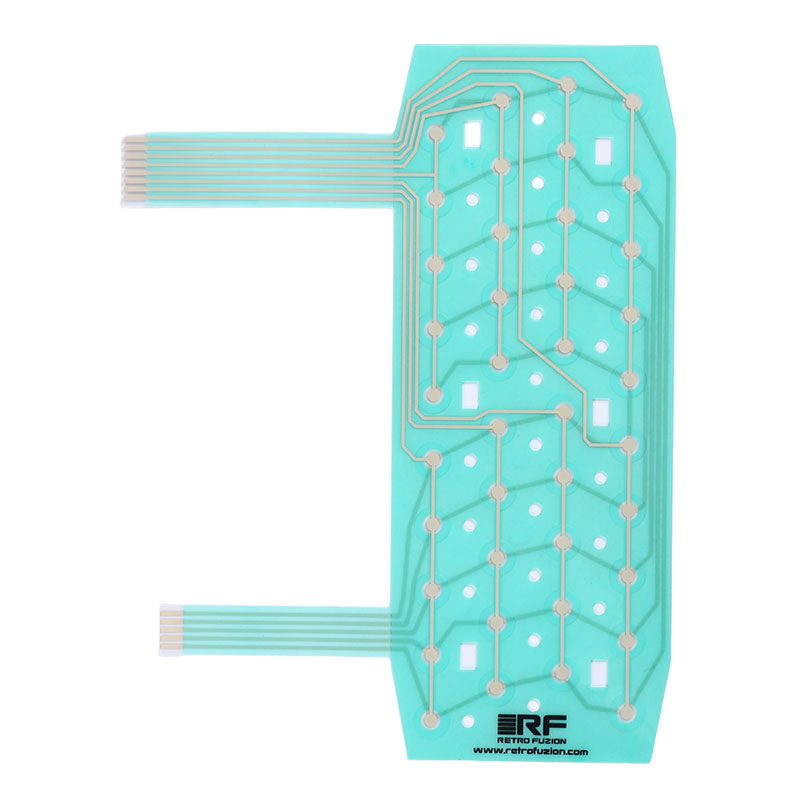
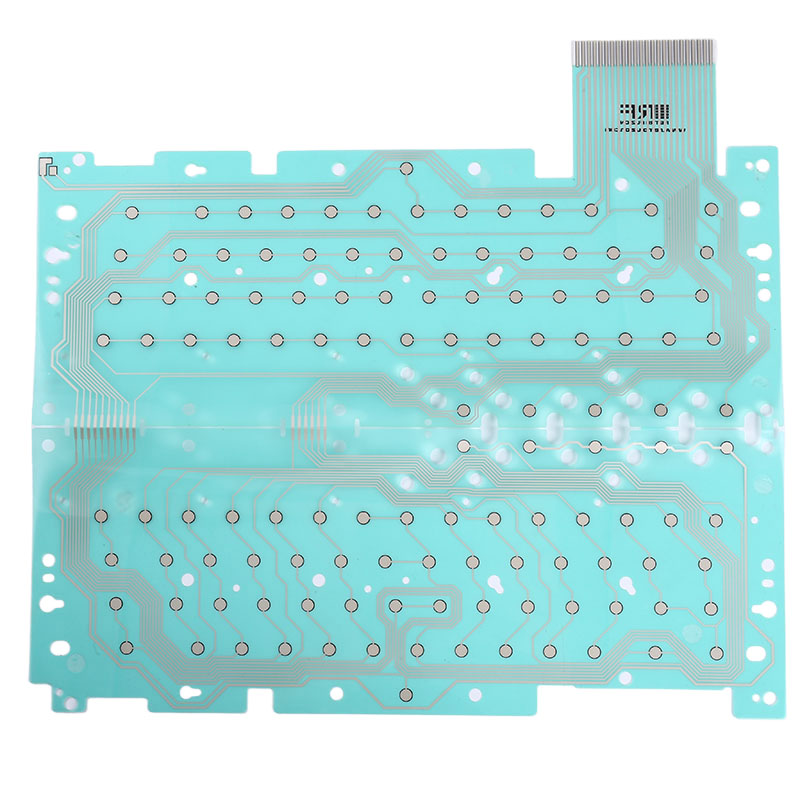
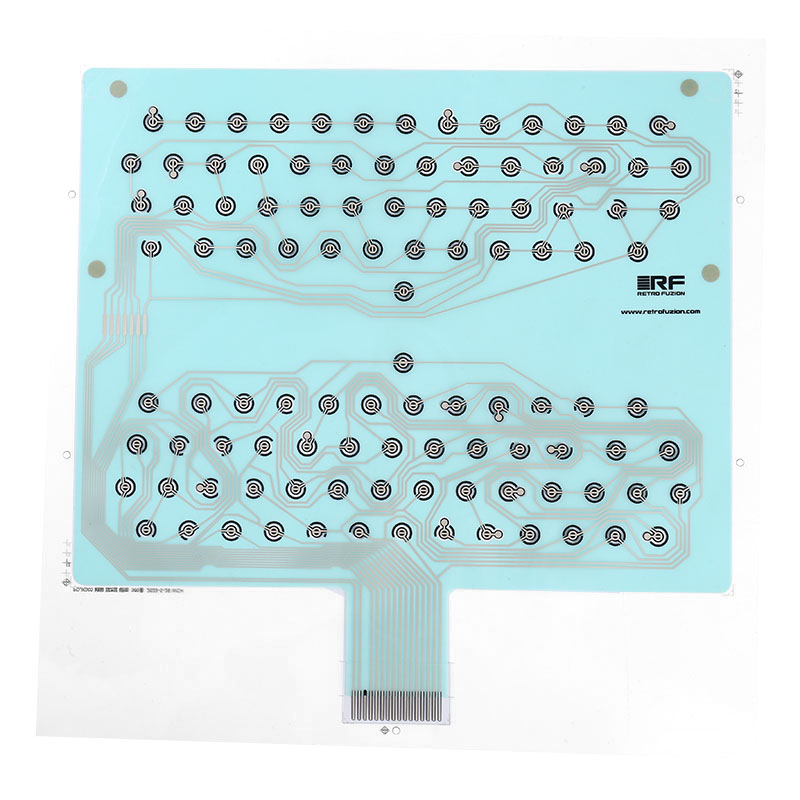
Medical Circuit Membrane Switches
- HM
- Dongguan China
| Brand Name | HM |
| Model Number | Circuit Membrane Switch |
| Type | Membrane Switch |
| Application | Telecommunication Equipment |
| Surface | glossy or matte |
| Waterproof grade | IP65-IP67 |
| Printing | Silkscreen Printing |
| Certification | ISO9001:2015 / ROHS |
| Circuit | FFC, FPC, PCB |
| Adhesive | 3M Adhesive |
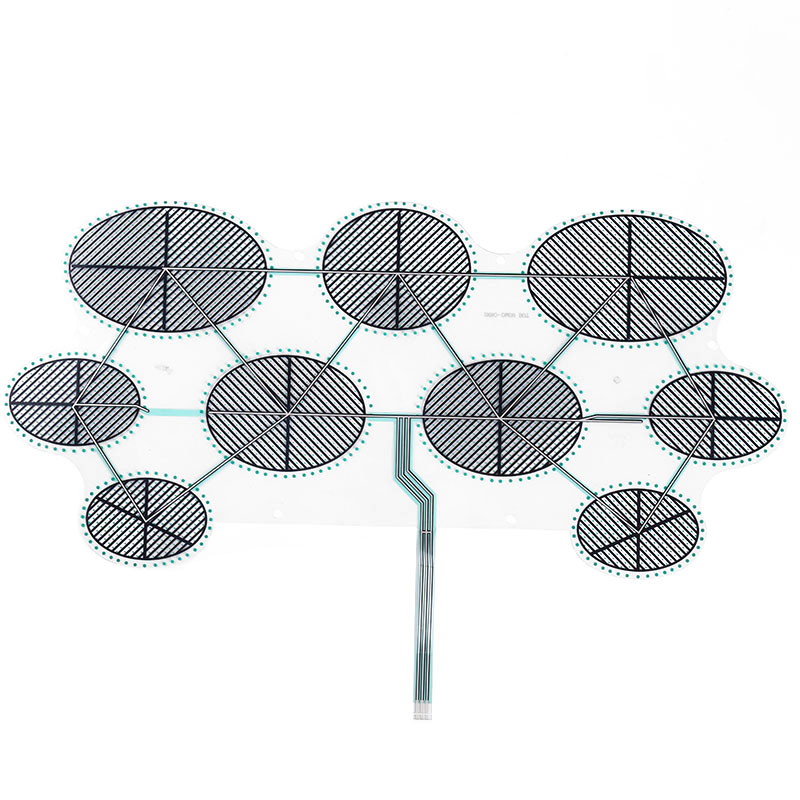
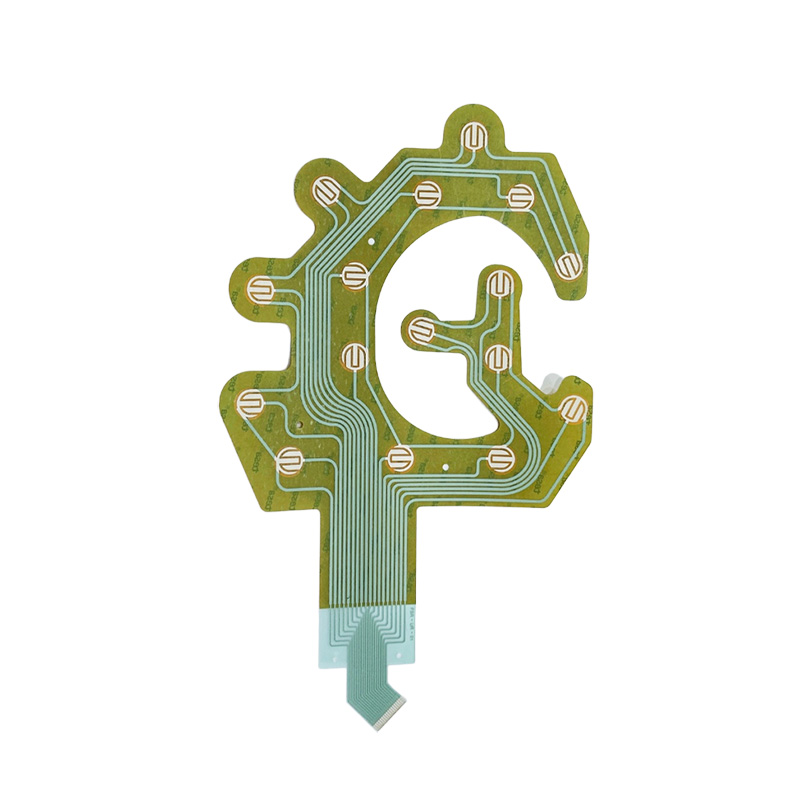
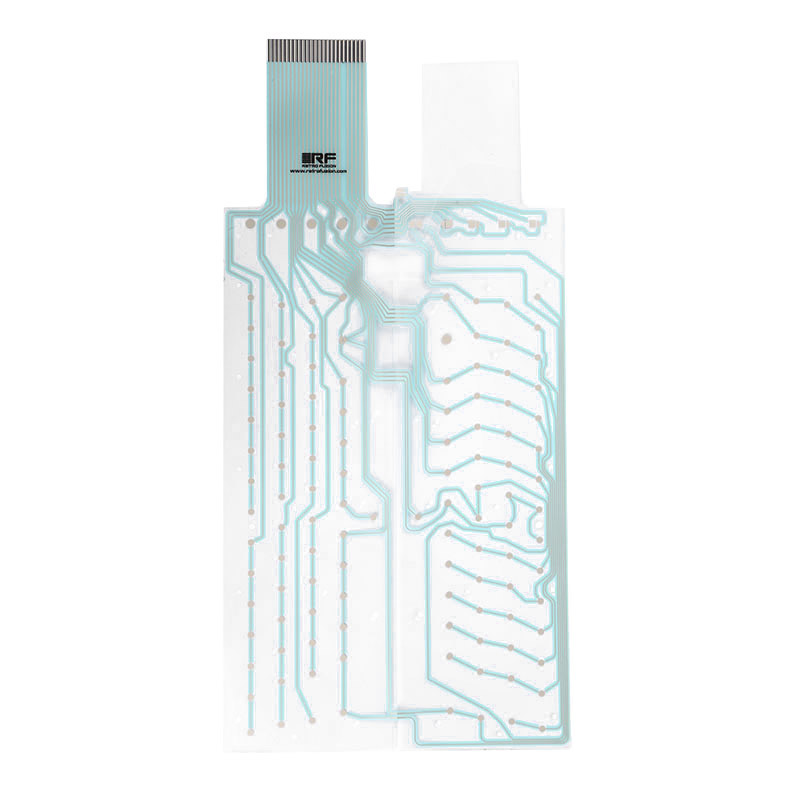
Medical Circuit Membrane Switches can be developed using polyester or polyimide as the base material, depending on your interface requirements. From simple single layer copper flex on polyester to complex double-sided on polyimide, rapidly provides customers with application-specific solutions.
Trace Width
Standard line width-0.25mm, minimum 0.10mm
Standard trace pitch-0.50mm, minimum 0.20mm
Minimum space between-circuits 0.10mm
Base Material
Polyimide: standard thickness-1mil 2mil and 1/2 mil available
Polyester: standard thickness-3mil 1mil, 2mil and 5mil available
Conductor: laminated ED copper or RA copper-standard thickness 1 oz (1.4mil/0.035mm) 1/2 oz and 2 oz available
Coverlay: polyimide, polyester or solder mask thickness-1/2 mil, 1mil, 2mil, 3mil or 5mi
Main classifications of membrane switches:
Metal membrane switches: These switches use contact materials such as gold, silver, and copper, featuring high reliability, durability, and excellent tactile feedback. They are widely used in various electronic devices.
Flexible thin-film switches: These switches use contact materials such as polyimide, polyester, and polyimide + silver, offering advantages such as easy assembly, freeform design, and soft tactile feedback. They are widely used in computers, electronic devices, toys, and other applications.
Rigid thin-film switches: These switches use contact materials such as copper and stainless steel, offering advantages such as easy material sourcing, stable manufacturing processes, and low resistance. They are widely used in various electronic devices.
Explosion-proof thin-film switches: These switches are designed to operate in flammable and explosive environments, offering features such as safety, reliability, and high-temperature resistance. They are widely used in industries such as petroleum and chemicals.
Waterproof membrane switches: These switches have waterproof functionality and can operate in underwater environments, making them widely used in diving equipment, underwater robots, and other applications.
Other types of membrane switches: Such as multi-layer membrane switches, temperature-sensing membrane switches, light-sensitive membrane switches, and pressure-sensing membrane switches, which are widely used in various special-purpose electronic devices.