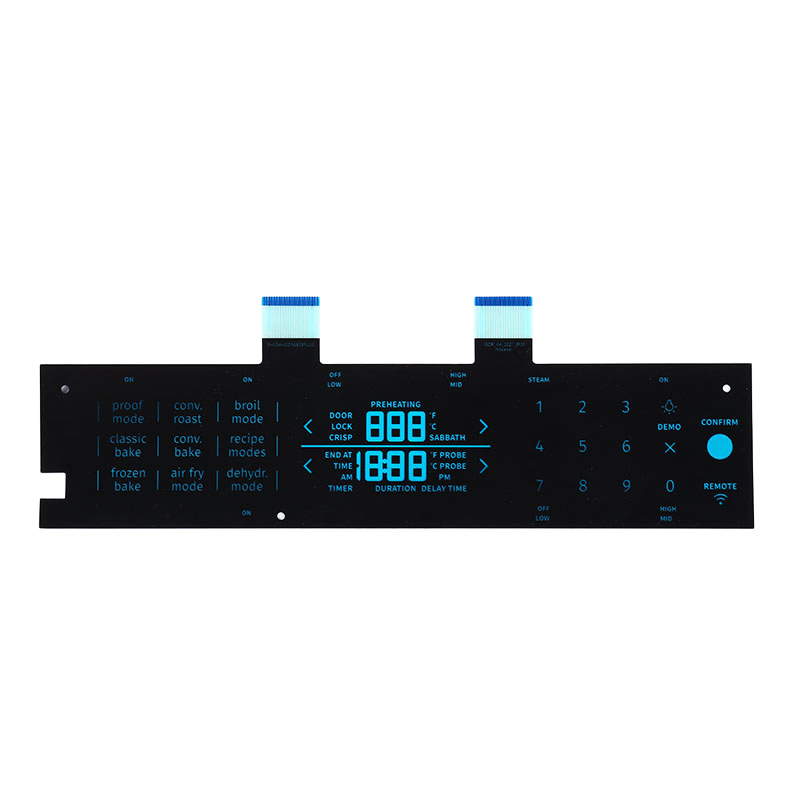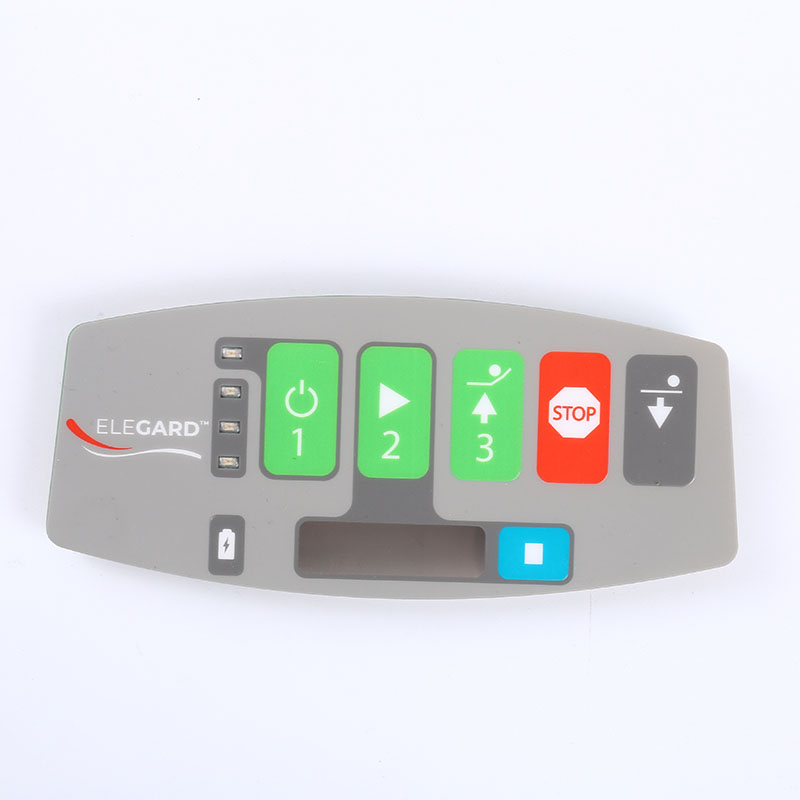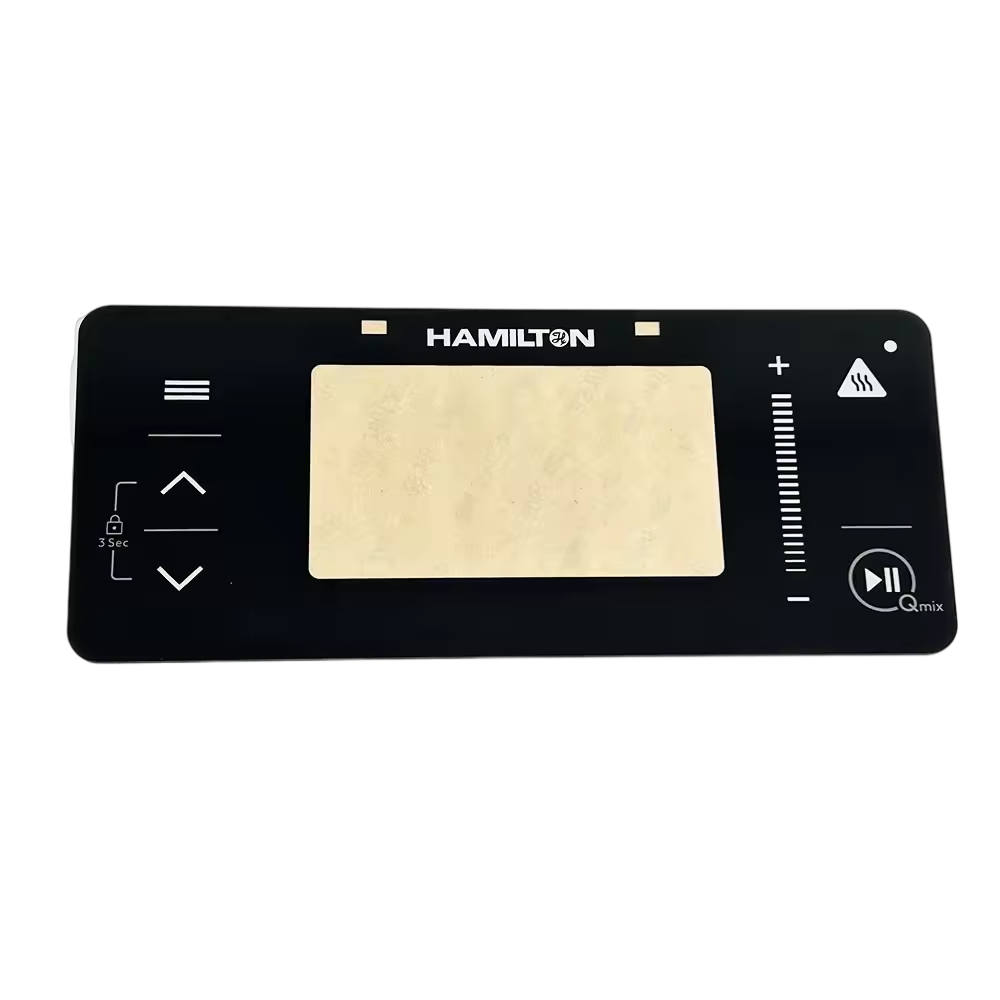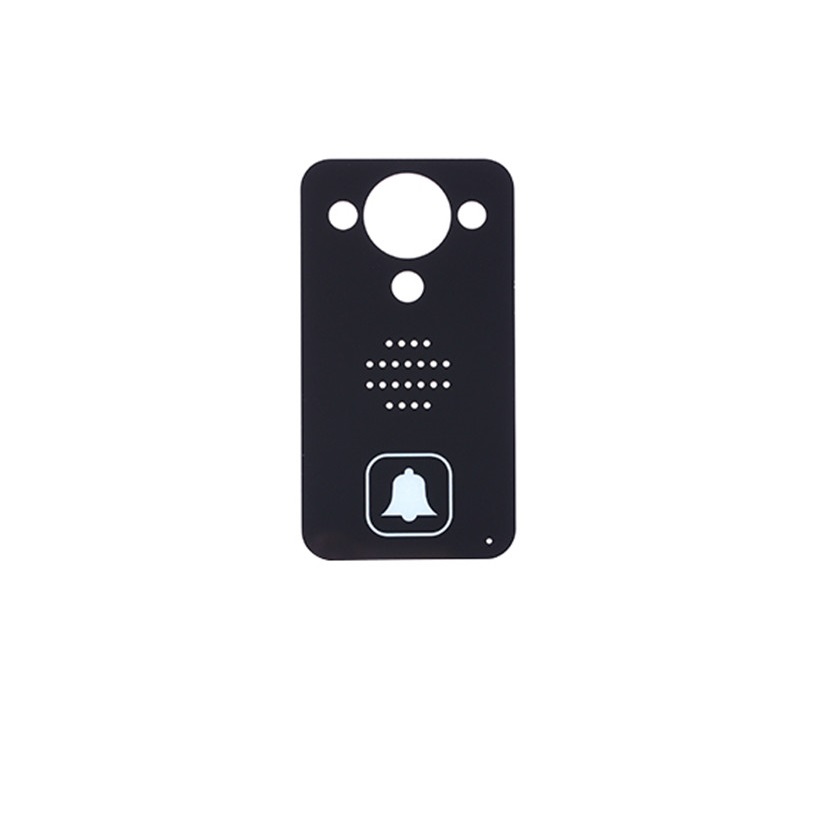
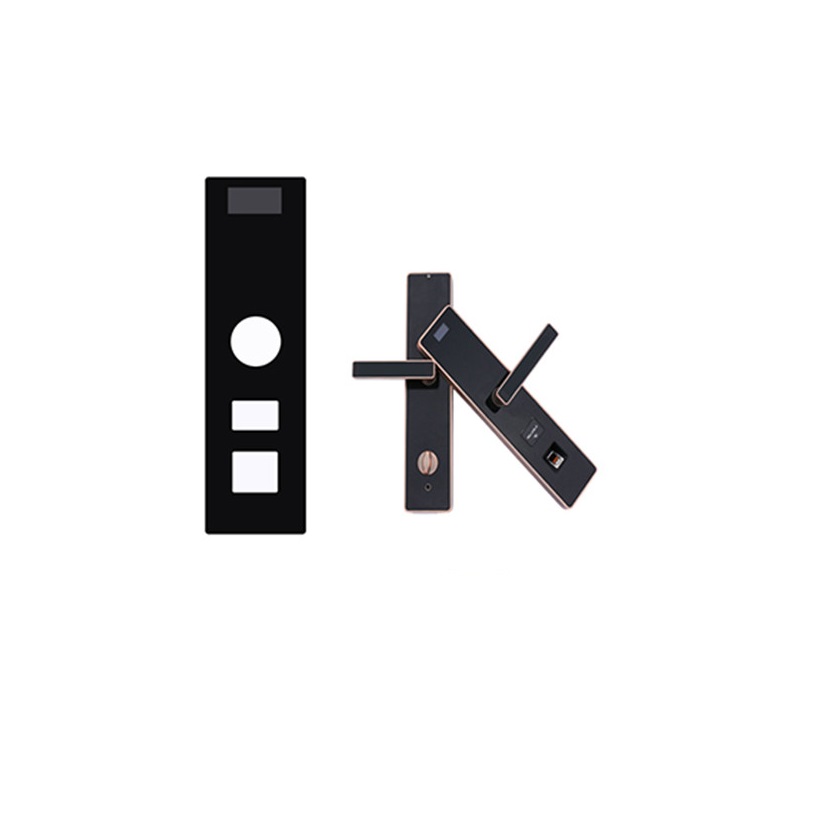
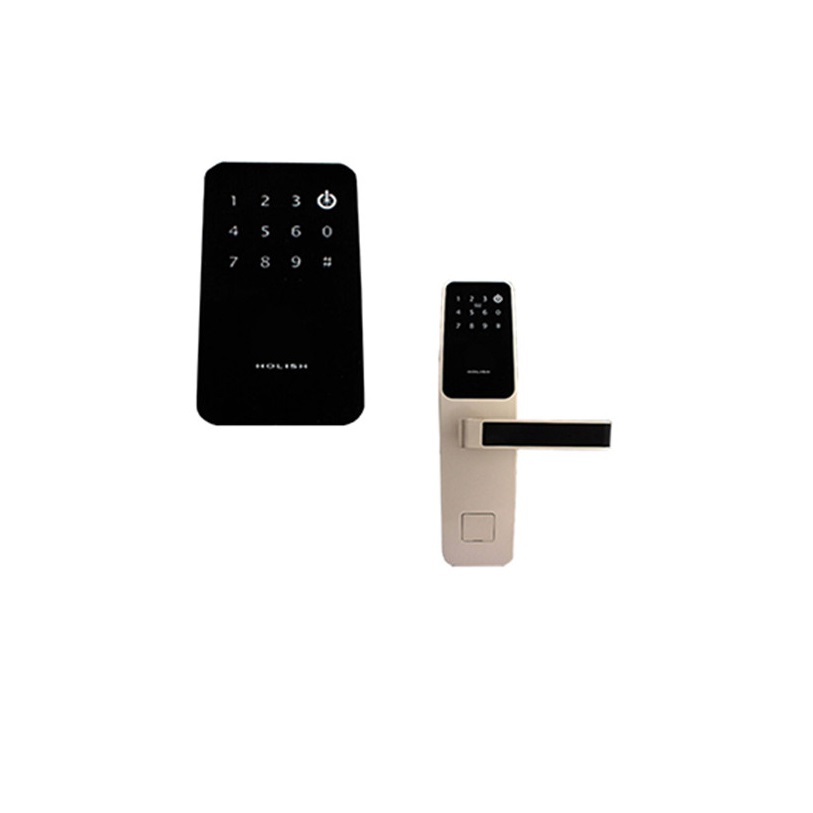
Touch Acrylic Membrane Panel
- HM
- Dongguan China
| Brand Name | HM |
| Type | Membrane Switch |
| Application | Telecommunication Equipment |
| Keypad Button Material | Other |
| Product name | Control panel overlay |
| Thickness | 0.175mm to 2.0mm usually according to different material |
| Finish | Glossy, matte, texture, etc |
| Ahesive | Backside adhesive or not |
| Printing | Silkscreen printing, digital printing, UV printing |
| Material | PET PC PVC PMMA Glass |
Touch Acrylic Membrane Panel have unique appearance advantages. It has a crystal clear texture that can add a touch of fashion and refinement to the space. Compared to traditional plastic or metal switch panels, acrylic panels have a higher glossiness and can emit a charming glow when illuminated, instantly elevating the overall level of the environment. Whether it's modern minimalist style decoration or some places that pursue personalization, acrylic switch panels can be perfectly integrated and become a highlight element in the space. Widely utilised in smart fingerprint security locks, access control systems and surveillance applications, suitable for diverse settings including homes, offices and commercial premises.
Acrylic has good wear resistance, is not easily scratched in daily use, and can maintain long-lasting beauty. And its impact resistance is also quite excellent, unlike some ordinary material switch panels that are prone to damage after minor impacts. This makes acrylic switch panels more durable in practical use, reducing the hassle of frequent replacement of switch panels.
Acrylic switch panels advantages
Cost-effectiveness: Compared to tempered glass, acrylic panels offer lower production costs, simpler processing, and reduced defect rates, making them widely adopted in mid-to-low-end combination lock products.
Superior fingerprint resistance: Surface treatment processes achieve excellent anti-fingerprint properties, maintaining the panel's clean appearance and reducing the frequency of routine cleaning.
Impact Resistance: When dropped from the same height, acrylic exhibits greater resistance to shattering than glass. This enhances the safety and reliability of the keypad lock during use while reducing maintenance and replacement costs associated with panel breakage.
How to clean and maintain the acrylic Membrane Panel of a combination lock?
I. Correct Cleaning Method
Preparation before cleaning: First disconnect the power supply to the keypad lock, or ensure it is in a non-operational state to prevent accidental button presses during cleaning. Prepare soft cleaning tools such as microfibre cloths, lens cloths, or specialised acrylic cleaning cloths. Never use coarse cloths or steel wool pads.
Selecting Cleaning Products: Employ a neutral detergent, such as diluted neutral washing-up liquid (approximately 1:100 ratio) or a dedicated acrylic cleaner. Strictly avoid corrosive liquids including alcohol, acetone, ammonia, or glass cleaners (containing ammonia), as these will damage the panel's surface coating, causing whitening and loss of lustre.
Cleaning procedure: First, gently wipe the panel surface with a dry cloth to remove dust and granular impurities, preventing scratches during cleaning. Spray the neutral cleaner onto the cloth (do not spray directly onto the panel to avoid liquid seeping into key gaps), then gently wipe the panel in a clockwise or anti-clockwise direction. Finally, use a clean damp cloth to remove any residual cleaner, followed by a dry cloth to wipe away moisture.
II. Key Points for Daily Maintenance
Avoid Physical Damage: Refrain from pressing or scraping the panel with hard objects such as fingernails, keys, or screwdrivers to prevent scratches. Clean gently without vigorous rubbing, particularly on areas with printed patterns or markings, as excessive friction may cause the design to peel off.
Environmental Exposure Control: Prevent prolonged contact with grease or perspiration (e.g., frequent operation with wet hands). Wipe key areas promptly with a dry cloth after use. Do not install the keypad in persistently damp locations (e.g., near bathroom entrances) or areas exposed to direct sunlight. Moisture may cause adhesive failure around the panel edges, while intense light accelerates acrylic ageing and yellowing.
Regular inspection and maintenance: Wipe the panel weekly with a dry cloth to remove surface dust. Conduct a thorough monthly clean using a neutral detergent. Periodically check the panel's alignment with the lock body. Should any lifting or adhesive failure at the edges be detected, promptly contact a professional for repair to prevent moisture or debris ingress that could compromise lock functionality.