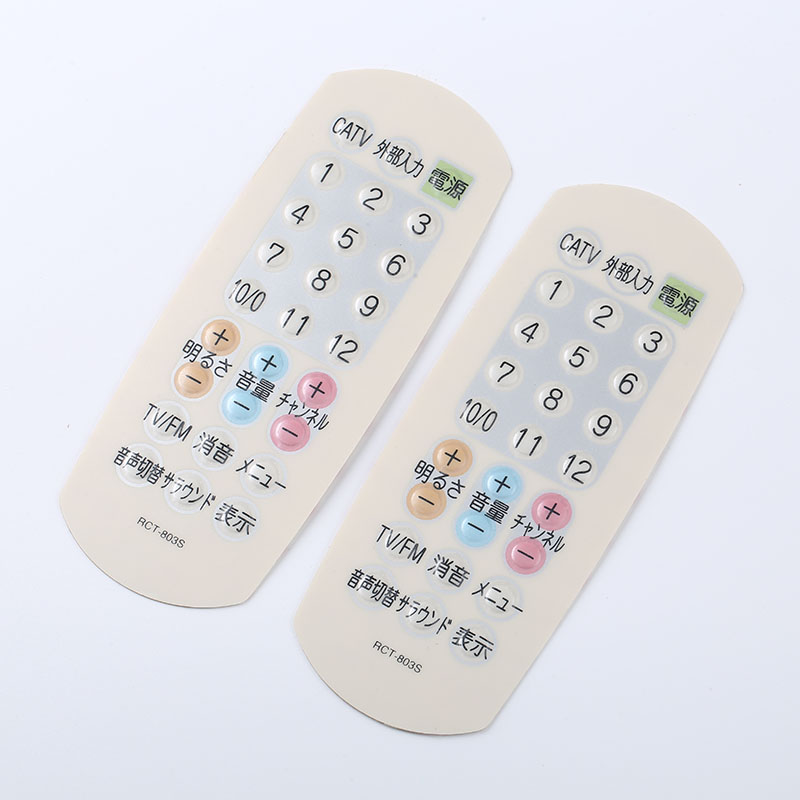
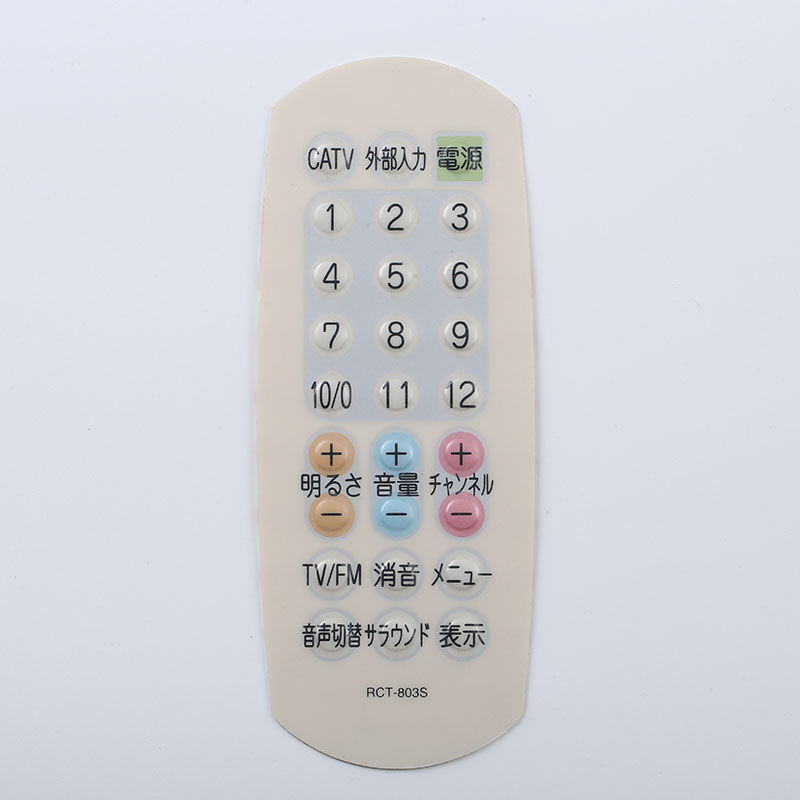
3C Electronic Metal Dome Panel Membrane
- HM
- Dongguan China
| Brand Name | HM |
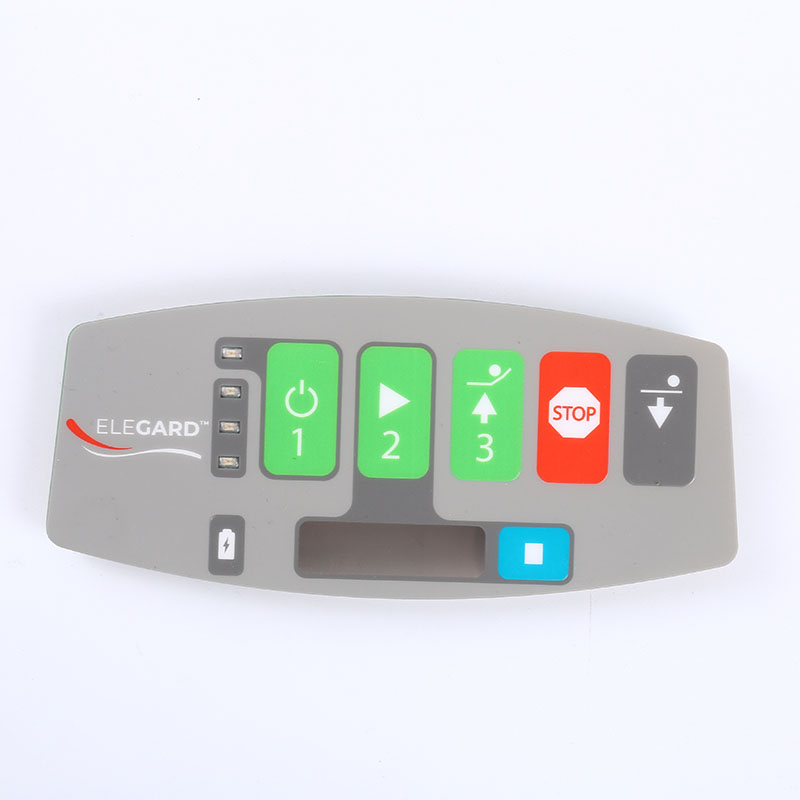
| Type | Membrane Switch |
| Application | Telecommunication Equipment |
| Keypad Button Material | Other |
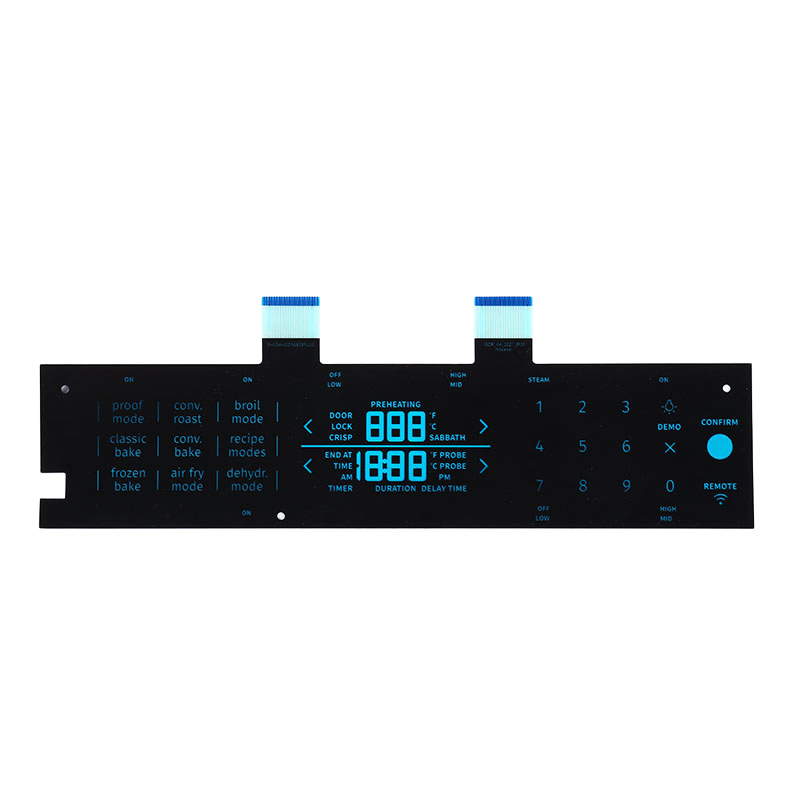
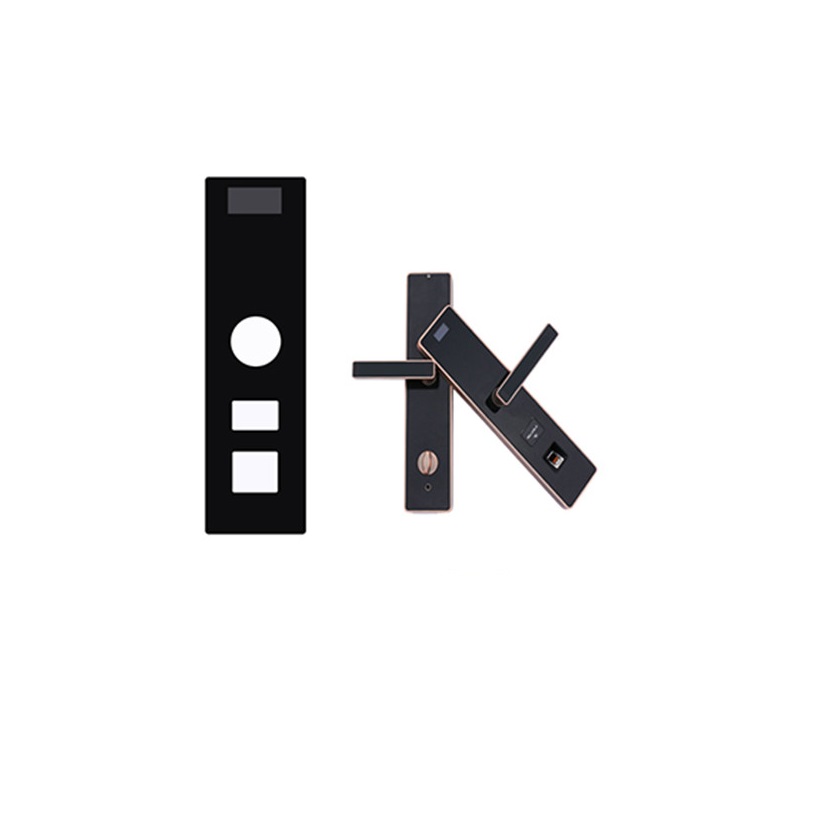
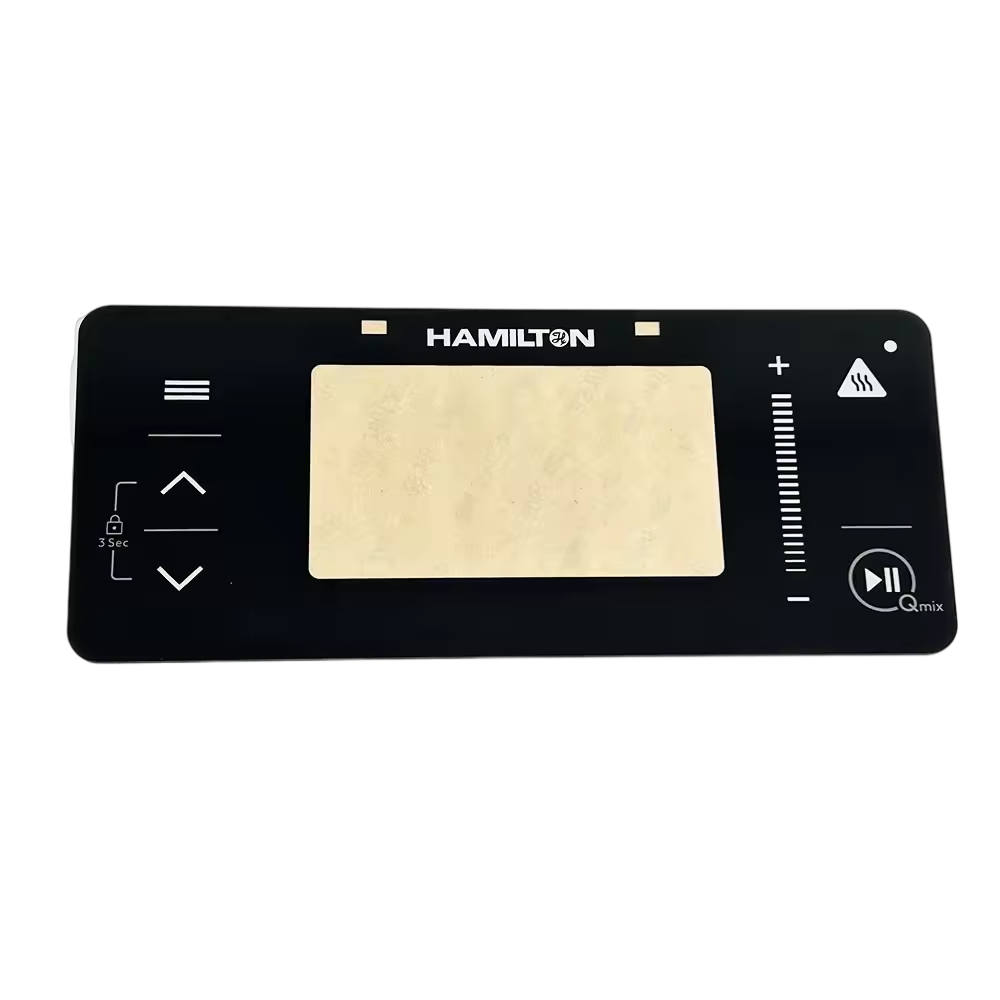
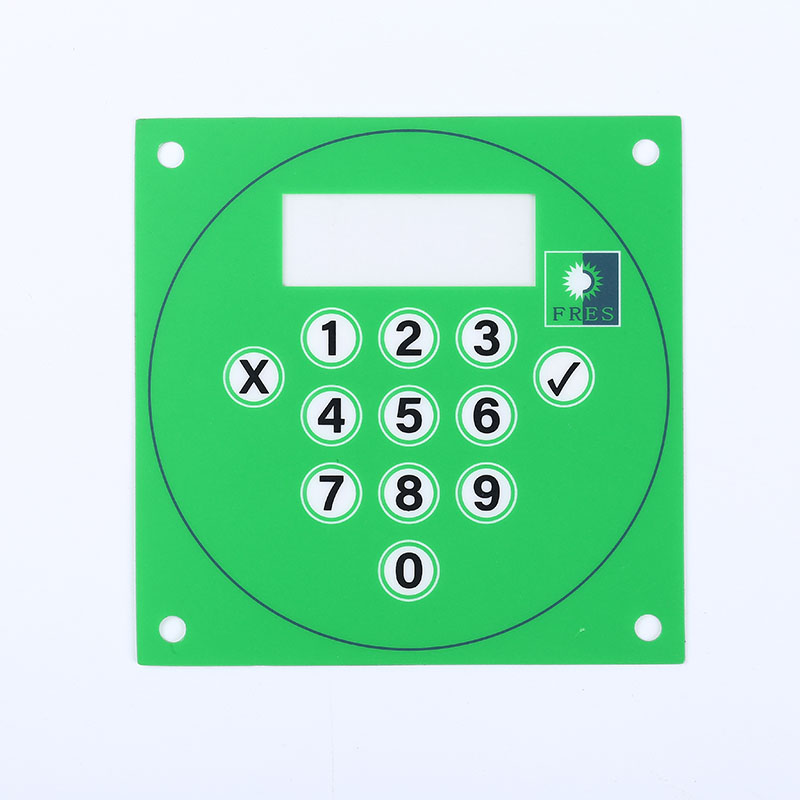
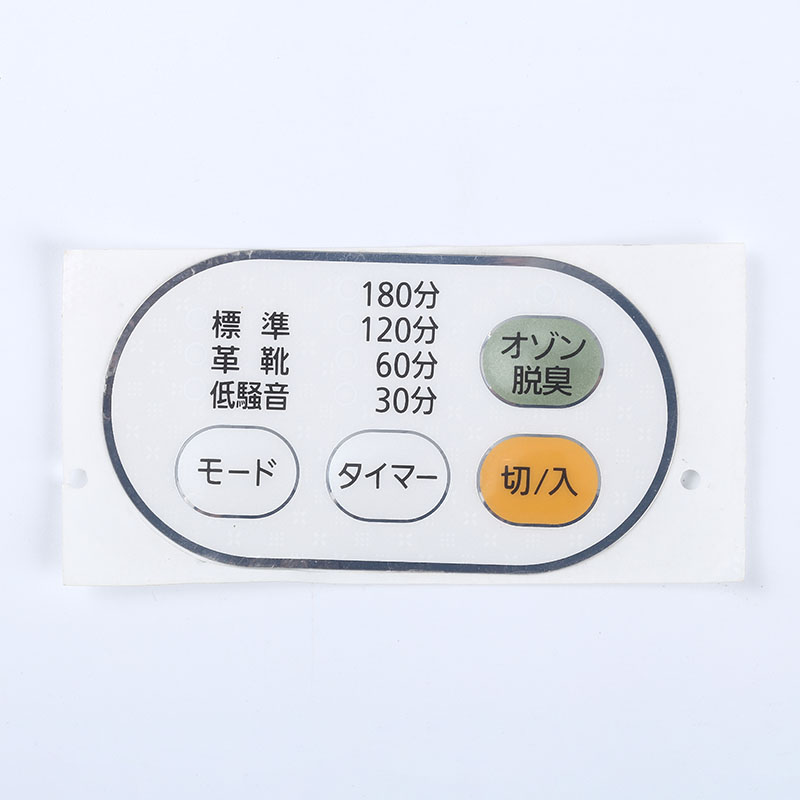
| Product name | Control panel overlay |
| Thickness | 0.175mm to 2.0mm usually according to different material |
| Finish | Glossy, matte, texture, etc |
| Ahesive | Backside adhesive or not |
| Printing | Silkscreen printing, digital printing, UV printing |
| Material | PET PC PVC PMMA Glass |
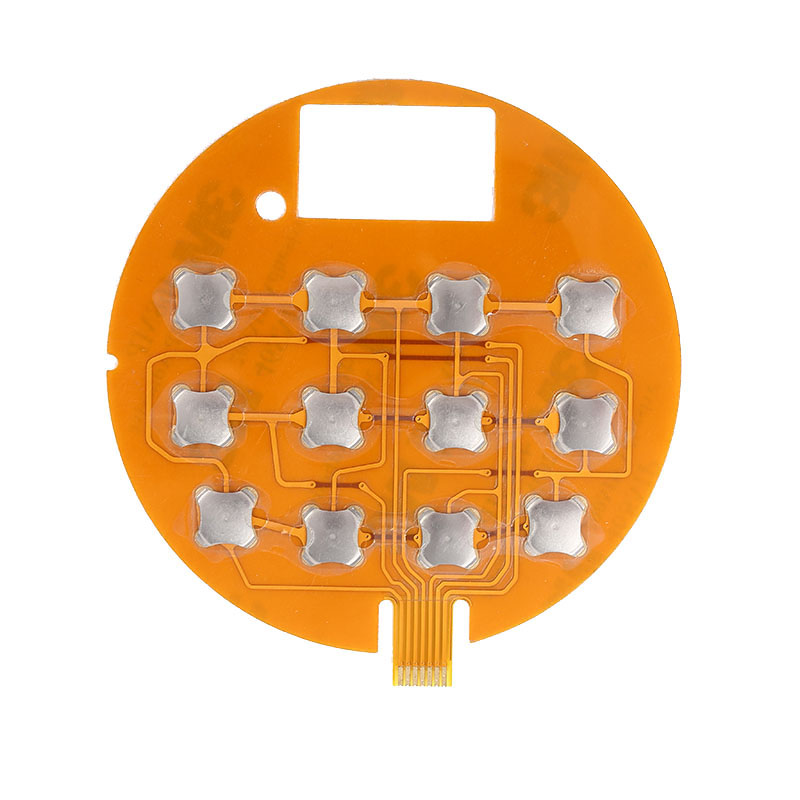
Metal Dome Panel Membrane are membrane key switches that incorporate a metal shrapnel structure to provide definitive tactile feedback and durability through the metal shrapnel.
Working Principle: When the key is pressed by external force, the central point of the metal spring leaf depresses, making contact with the conductive circuit on the PCB. This forms a circuit loop, allowing current to flow and enabling signal transmission and device operation. When the external force is removed, the metal spring leaf returns to its original position, breaking the circuit.
Metal dome panel membrane features
1. Distinct tactile feedback with clear actuation
Metal dome switches (typically stainless steel) produce a distinct ‘click’ sound and tactile deformation upon pressing, allowing users to intuitively confirm key activation and prevent misoperation.
Compared to the soft feedback of conventional membrane switches, they offer more consistent actuation force and uniform tactile response across different keys, making them suitable for devices requiring precise operation.
2. Extended service life and robust stability
Metal dome switches exhibit exceptional elastic recovery, with standard press endurance ranging from 1 million to 5 million cycles—significantly surpassing conventional rubber keys or pure membrane switches.
Point contact between the spring leaf and circuit minimises surface abrasion. Concurrently, the outer PET film barrier shields against dust and moisture ingress, reducing oxidation risks for internal components and enhancing long-term operational reliability.
3. Streamlined structure with high adaptability
Comprising minimal components—PET film, metal spring, and conductive traces—these switches feature slim profiles (typically 0.5mm–1.5mm thick), enabling integration into compact devices such as remote controls and small instrument panels.
Supports customisable design, allowing adjustment of key layout, spring size, and actuation force as required. Additional structures like raised dots or EMI shielding layers can be integrated to accommodate different PCB or FPC mounting scenarios.
4. Efficient assembly with controllable costs
The production process is relatively straightforward, enabling mass manufacturing through automated techniques like die-cutting and lamination, thereby reducing labour costs.
Eliminating the need for complex mechanical key structures (such as springs and brackets), the overall material cost is lower than traditional mechanical switches, making it suitable for cost-sensitive sectors like consumer electronics.
Application Scenarios
Consumer Electronics
Remote control, gamepad, smart home control panel.
TWS headset touch area, wearable device side button.
Industrial Control
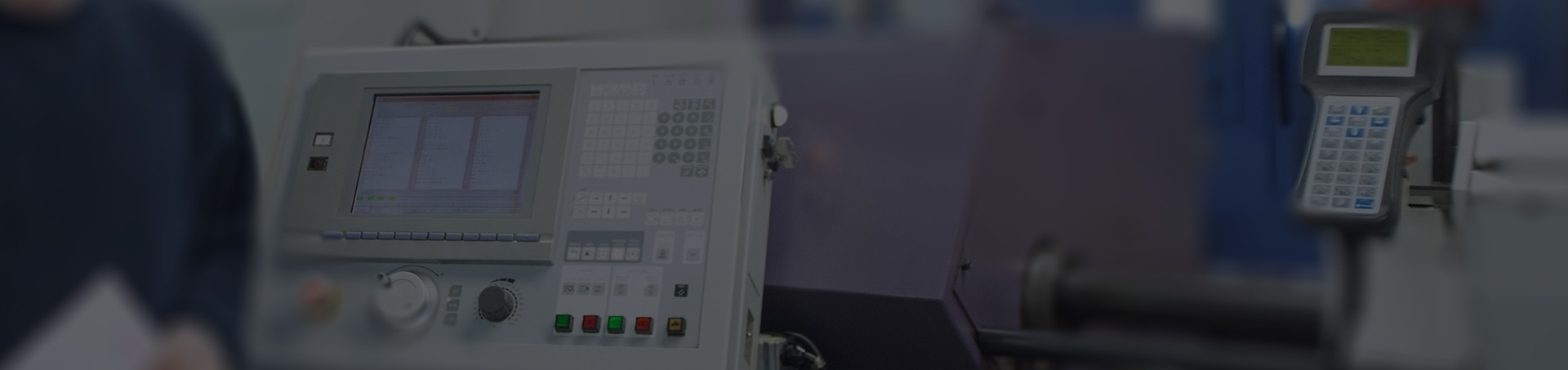
CNC machine buttons, instrumentation operating panels.
Oil-resistant, impact-resistant demand scenarios.
Medical equipment
Handheld testers, infusion pump keys (need to be easy to clean and disinfect).
Automotive electronics
Steering wheel multi-function buttons, center console touch feedback module.