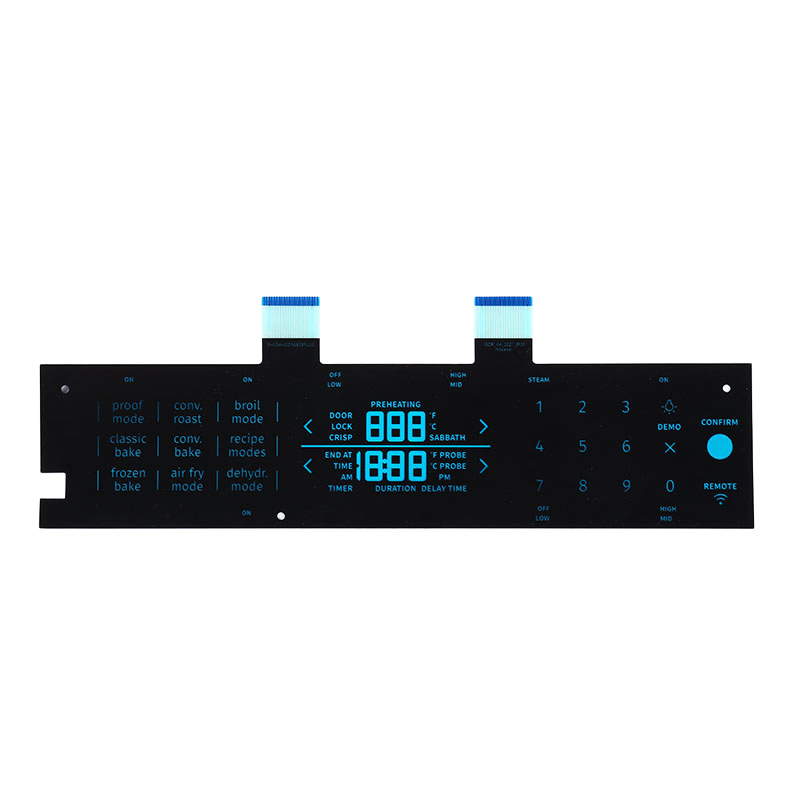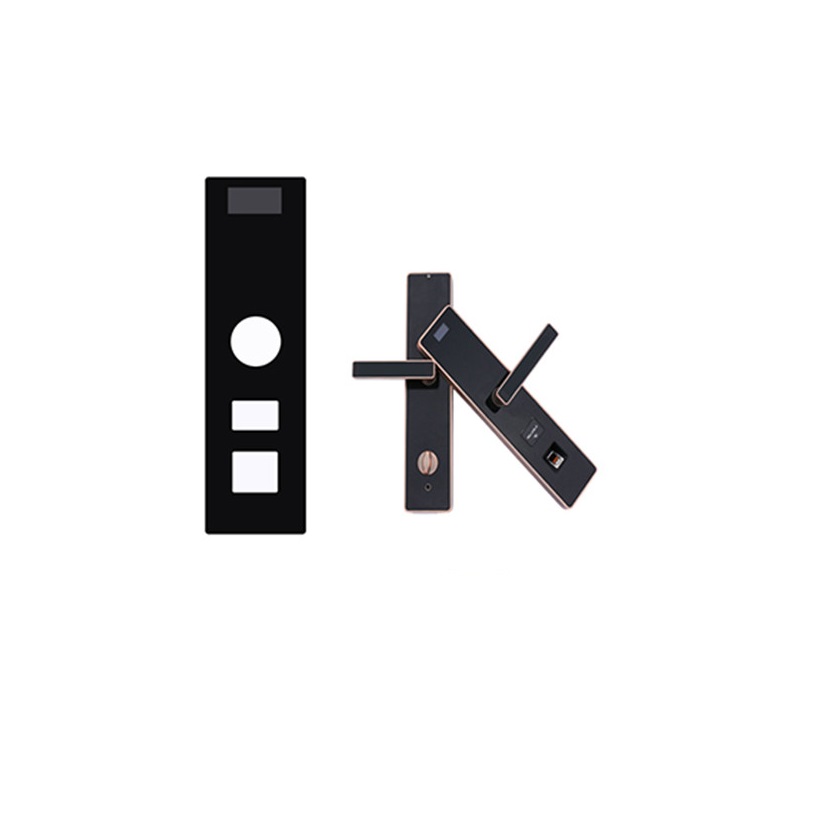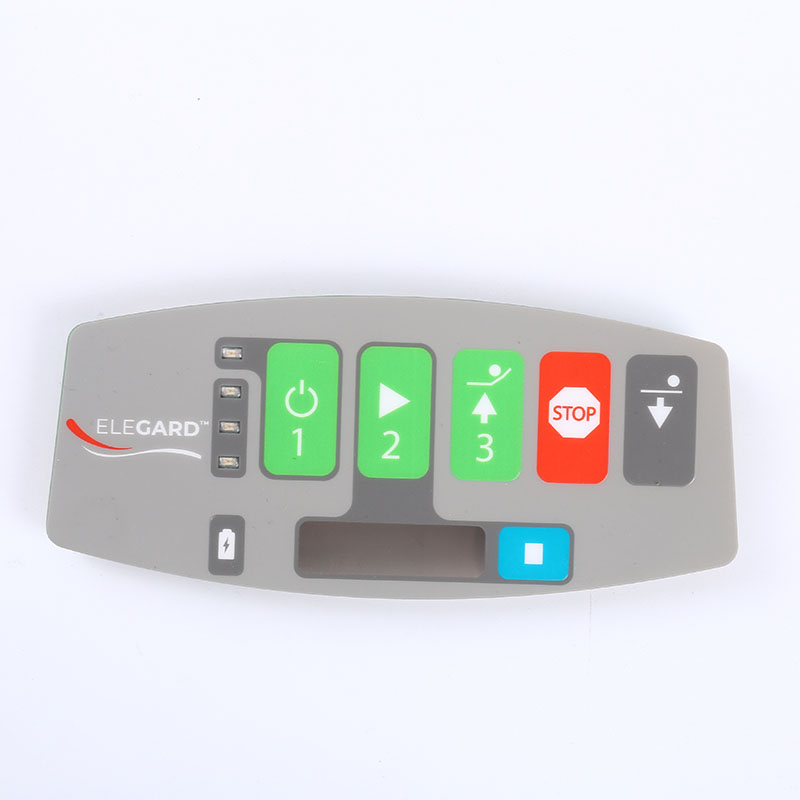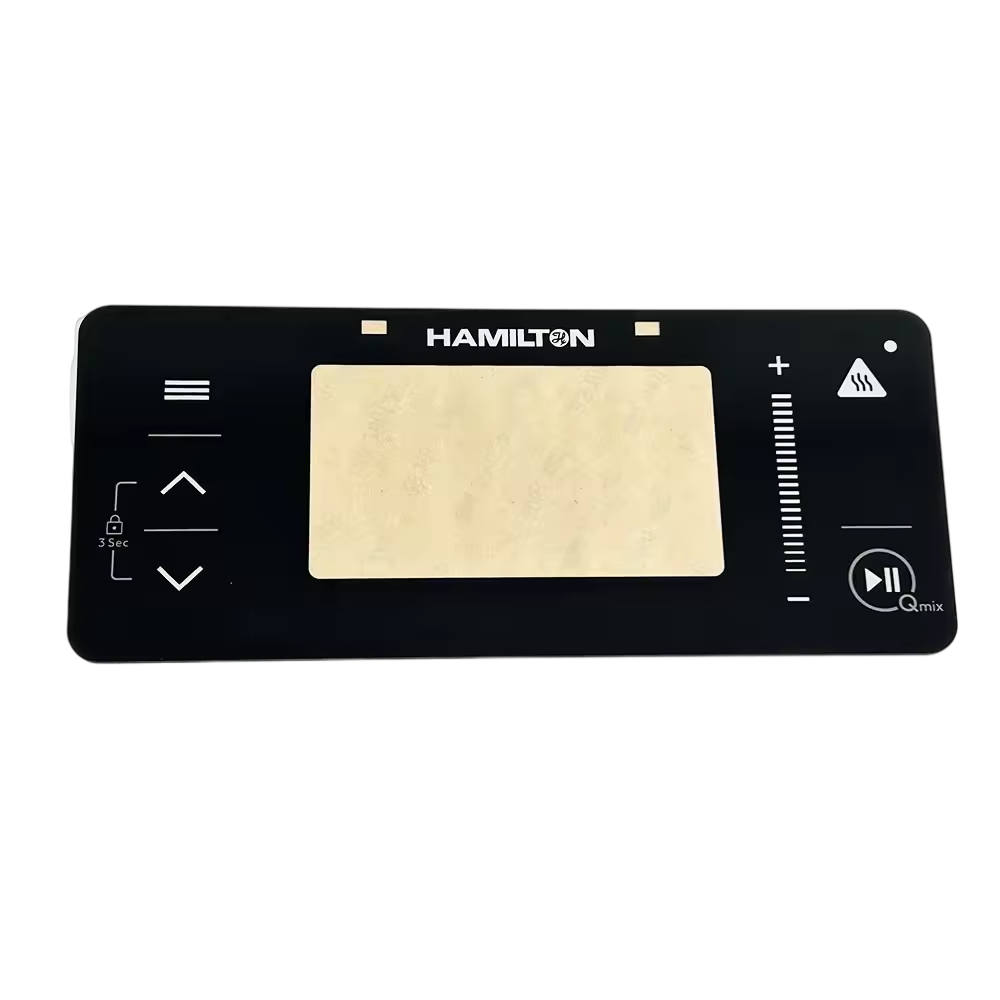
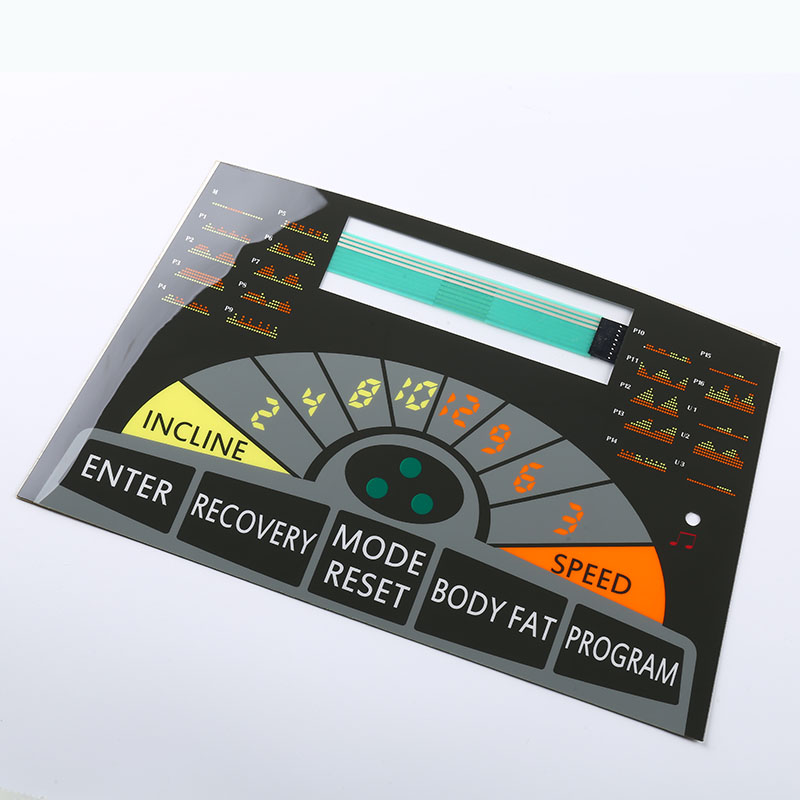
Glass Acrylic Switch Panel
| Brand Name | HM |
| Type | Membrane Switch |
| Application | Telecommunication Equipment |
| Keypad Button Material | Other |
| Product name | Control panel overlay |
| Thickness | 0.175mm to 2.0mm usually according to different material |
| Finish | Glossy, matte, texture, etc |
| Ahesive | Backside adhesive or not |
| Printing | Silkscreen printing, digital printing, UV printing |
| Material | PET PC PVC PMMA Glass |
Glass Acrylic Switch Panel Key Advantages:
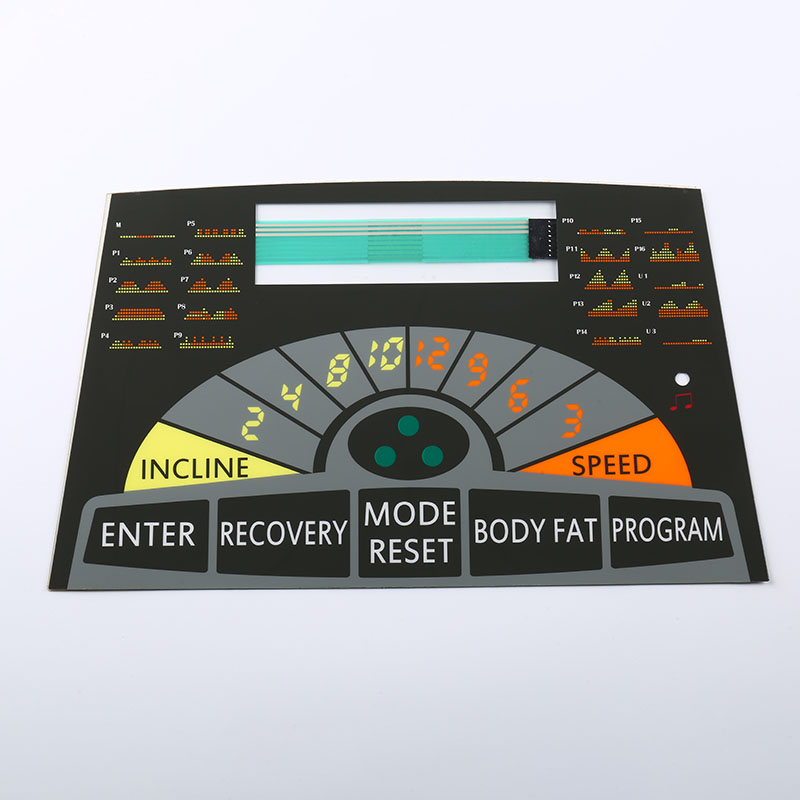
Highly Customisable Aesthetics: Acrylic offers excellent light transmission, facilitating the silk-screening of intricate patterns and text, and enabling the design of three-dimensional textures.
Durable and Environmentally Adaptable: Acrylic possesses good chemical resistance, with surfaces capable of undergoing hardening treatments. Through design, it can achieve dustproof and waterproof ratings (e.g., IP65/IP68) and operate across a wide temperature range (e.g., -20°C to +70°C; industrial-grade variants extend to -40°C to +85°C).
Long Mechanical Lifespan: Mechanical endurance exceeds one million cycles.
Superior Sealing: Particularly in capacitive variants, the panel can be fully sealed to prevent ingress of contaminants or liquids.
The weather resistance of acrylic membrane switch panels constitutes one of their core advantages, manifesting across four key dimensions: resistance to ageing, thermal cycling, corrosion, and physical wear. This enables adaptation to diverse and demanding operational environments.
1. Superior anti-ageing properties: Retains colour and shape integrity over extended use
The acrylic substrate possesses robust resistance to ultraviolet radiation and environmental ageing, a core characteristic distinguishing it from conventional plastic panels.
2. Broad temperature tolerance: Withstands extreme high and low-temperature conditions
Acrylic panels operate effectively across most industrial and consumer temperature ranges, maintaining performance stability amidst thermal fluctuations.
3. Strong chemical corrosion resistance: withstands oil contamination and solvent erosion
In industrial workshops, kitchens and other environments prone to oil or chemical exposure, acrylic panels effectively resist corrosion while maintaining stable appearance and functionality.
4. Stable physical wear resistance: scratch-resistant and impact-resistant
Weather resistance encompasses not only environmental adaptability but also long-term performance stability under physical operation – a key factor ensuring switches remain reliable over extended periods.
Acrylic Membrane Switch Panel Applications
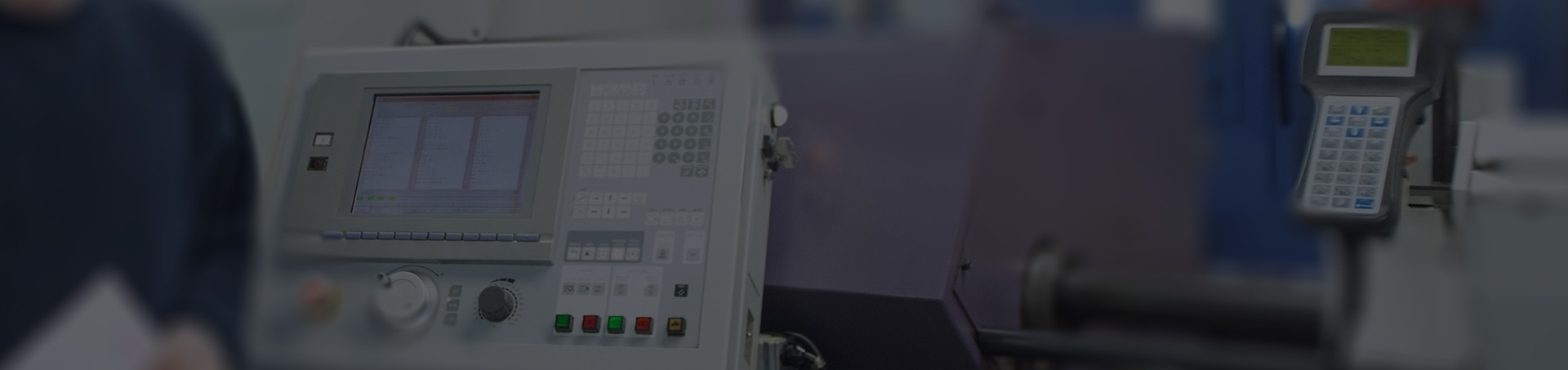
Industrial Control and Automation: Prioritise models offering high sealing integrity (e.g., IP67/IP68), wide temperature tolerance (e.g., -40°C to 85°C), and high mechanical endurance (millions of cycles), with surfaces resistant to abrasion and scratching.
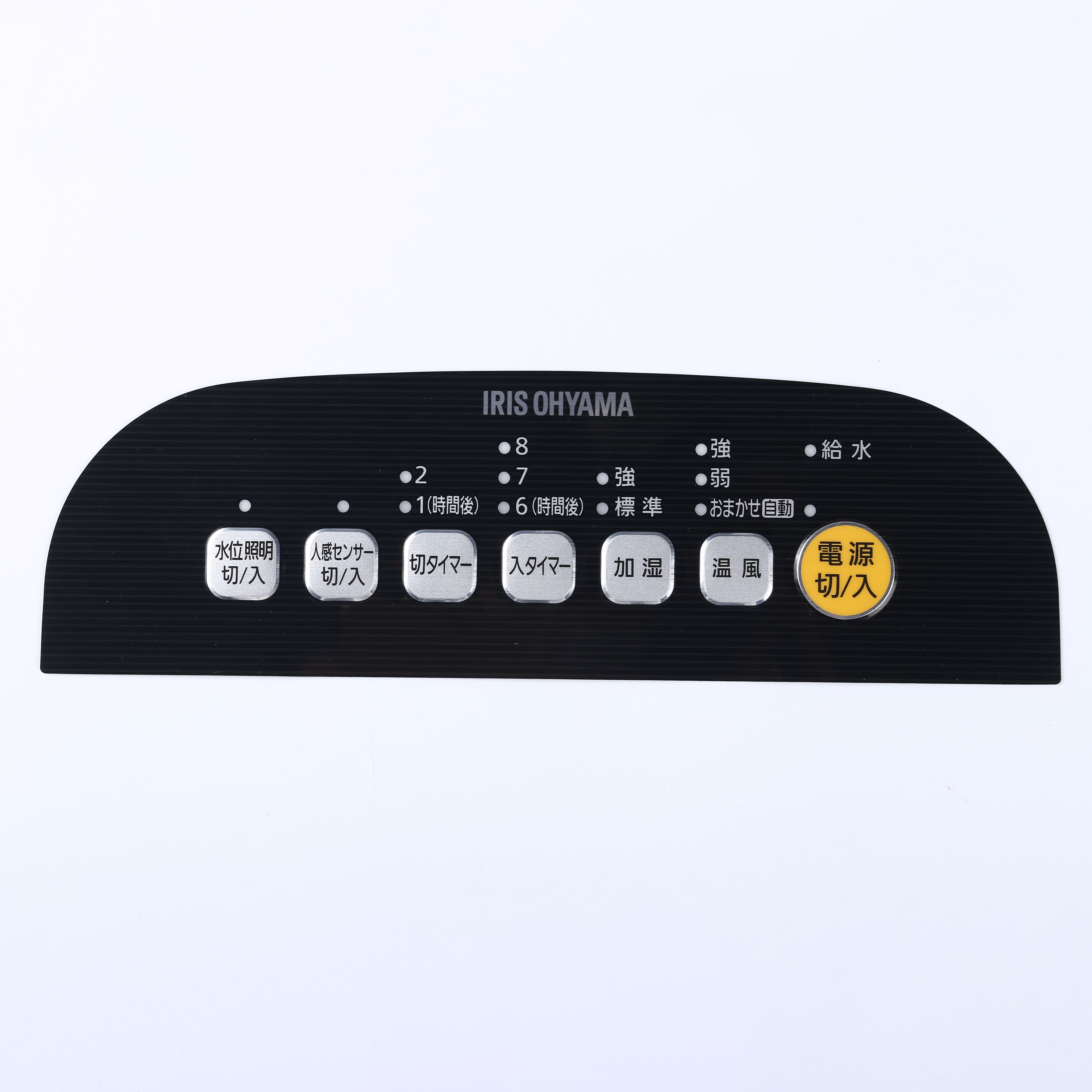
Domestic Appliances: Emphasis on aesthetic appeal (extensive pattern and colour customisation) and tactile feedback (e.g., using metal springs for distinct tactile response), alongside ease of cleaning (e.g., chemical resistance of panels) and moisture resistance (e.g., IP68 waterproofing for bathroom appliances).
Medical equipment: Demands exceptional sealing integrity, must facilitate thorough sterilisation and cleaning, with panels capable of withstanding repeated wiping with alcohol, disinfectants, etc.
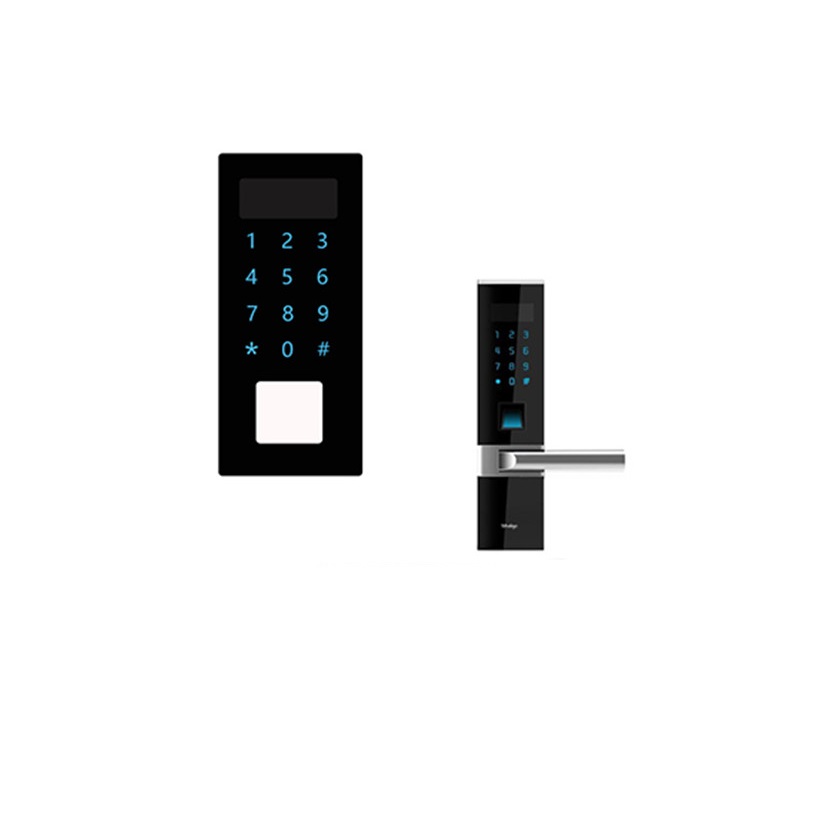
Smart home and consumer electronics: Pursues contemporary aesthetics, with capacitive touch switches being a common choice. These can incorporate LED backlighting and 3D textured finishes to enhance perceived quality.